
Table of Contents
The online drama surrounding Hailey Bieber Issues Cease-and-Desist Notice to TikToker has taken a serious legal turn, pulling social media commentary into the spotlight of celebrity law and free speech debates.
Legal Action Taken Against Viral Claims
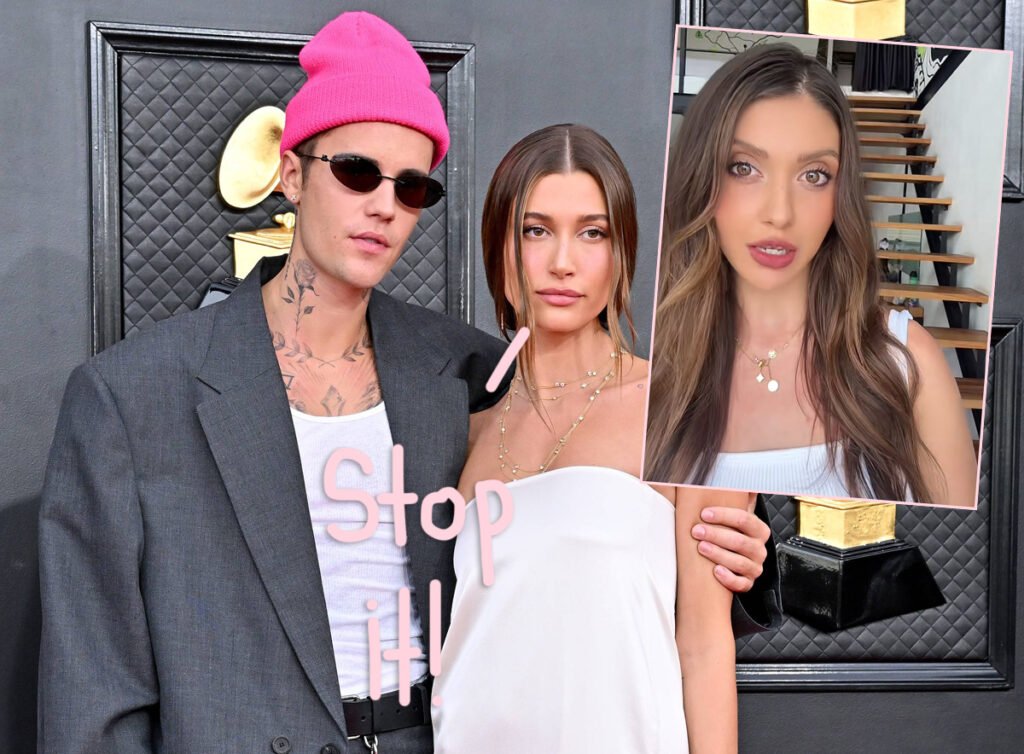
Hailey Bieber and Justin Bieber have escalated their response to TikToker Julie Theis by sending a formal cease-and-desist letter, accusing her of spreading false and damaging claims about their marriage.
According to documents obtained by TMZ, the letter was drafted by the couple’s attorney, Evan Spiegel, who strongly denies the accusations circulating online. The letter reportedly describes Theis’ statements as “outrageous, false, fabricated, and defamatory,” asserting that they cross the line from opinion into harmful misinformation.
Allegations at the Center of the Dispute
The controversy stems from videos posted by Theis on TikTok and Instagram, where she allegedly characterized Hailey and Justin Bieber’s marriage as an example of an abusive relationship influenced by drug addiction. The legal notice reportedly states that such claims are not only untrue but also deeply damaging to the couple’s personal lives and public reputations.
The cease-and-desist letter demands the immediate removal of the videos in question and instructs Theis to permanently stop posting or sharing content that implies the Biebers are involved in an abusive relationship. The legal team’s message is clear: continuing to publish such allegations could result in further legal consequences.
TikToker Responds Publicly
On Tuesday, Theis confirmed via TikTok that she had received the cease-and-desist letter from the Biebers’ legal representatives. In her response, she maintained that her videos were “clearly opinion-based commentary” focused on general relationship dynamics and power structures, not statements of fact.
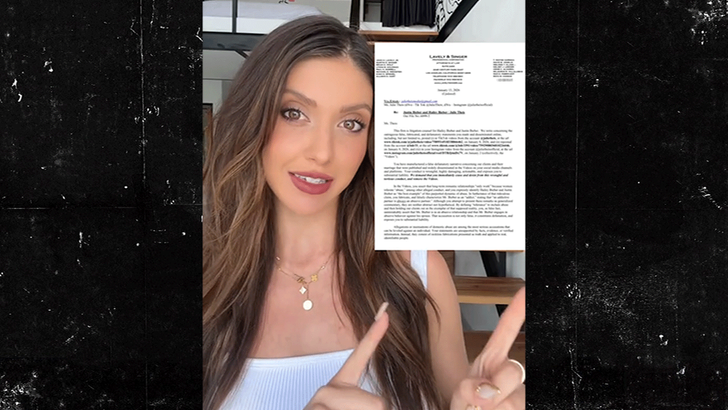
In a separate statement shared with TMZ, Theis expressed concern that the legal action is an attempt to suppress her freedom of speech. She emphasized that disagreeing with a celebrity’s lifestyle or relationship does not automatically amount to defamation.
Free Speech vs. Defamation Debate
“It’s extremely elitist to try to silence opinions just because you disagree,” Theis said, adding, “Disagreement is not defamation.” She also claimed that since the situation gained public attention, she has been receiving death threats, which has intensified her concerns about online harassment and personal safety.
The case has sparked wider conversations online about where the line should be drawn between free expression and defamatory speech—especially when commentary involves high-profile public figures.
What Happens Next?
As of now, representatives for Hailey and Justin Bieber have not publicly responded to requests for comment regarding Theis’ claims. Whether the dispute will move beyond a cease-and-desist letter into formal legal action remains to be seen.
What is clear, however, is that Hailey Bieber Issues Cease-and-Desist Notice to TikToker has become more than just celebrity gossip. It highlights the growing tension between influencer commentary, legal boundaries, and the responsibilities that come with having a large online platform.

